Have you ever fumbled through your physical wallet looking for the right card at checkout while a line forms behind you? Or maybe you’ve felt that moment of panic when you realize you left your wallet at home? These everyday hassles might make you wonder if it’s time for a change. Today’s financial landscape offers alternatives that might make your life easier—but they come with their own considerations too.
Should You Switch to a Digital Wallet? The Benefits and Drawbacks is a question many people are asking as our world becomes increasingly digital. From buying coffee to splitting dinner bills with friends, digital payment options are everywhere. But are they right for you? Let’s explore this together in simple terms.
What Is a Digital Wallet?
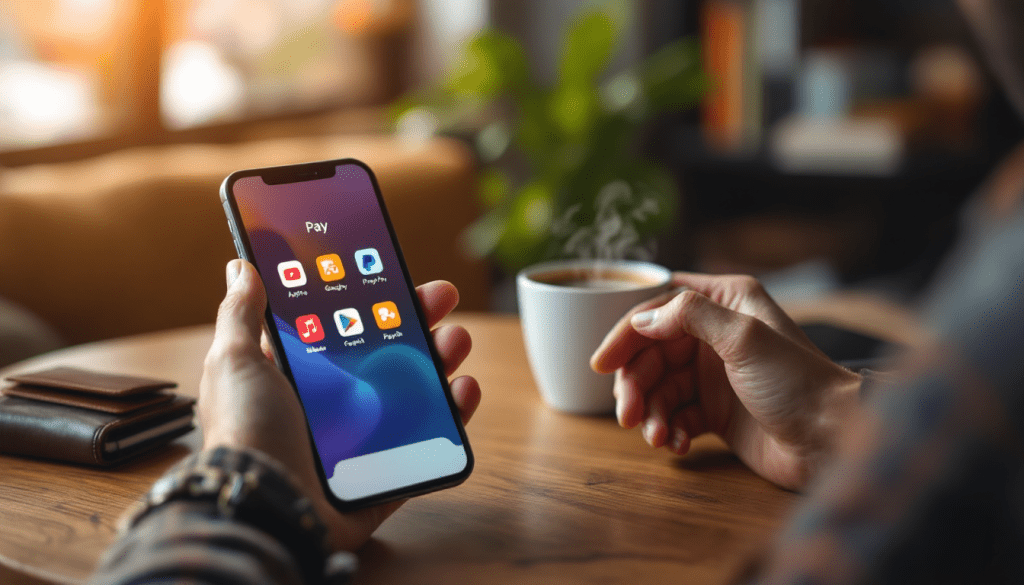
A digital wallet is essentially a virtual version of your physical wallet. It stores your payment information securely on your smartphone or other device. Instead of carrying plastic cards or cash, you simply tap your phone at checkout terminals or make online purchases with a few clicks.
Most digital wallets work through apps on your smartphone. Popular options include:
- Apple Pay for iPhone users
- Google Pay for Android devices
- Samsung Pay for Samsung devices
- PayPal for online shopping
- Venmo for sending money to friends
- Cash App for peer-to-peer payments
These apps securely store your card information using encryption, meaning your actual card numbers aren’t shared when you make purchases.
The Benefits of Switching to a Digital Wallet
Convenience at Your Fingertips
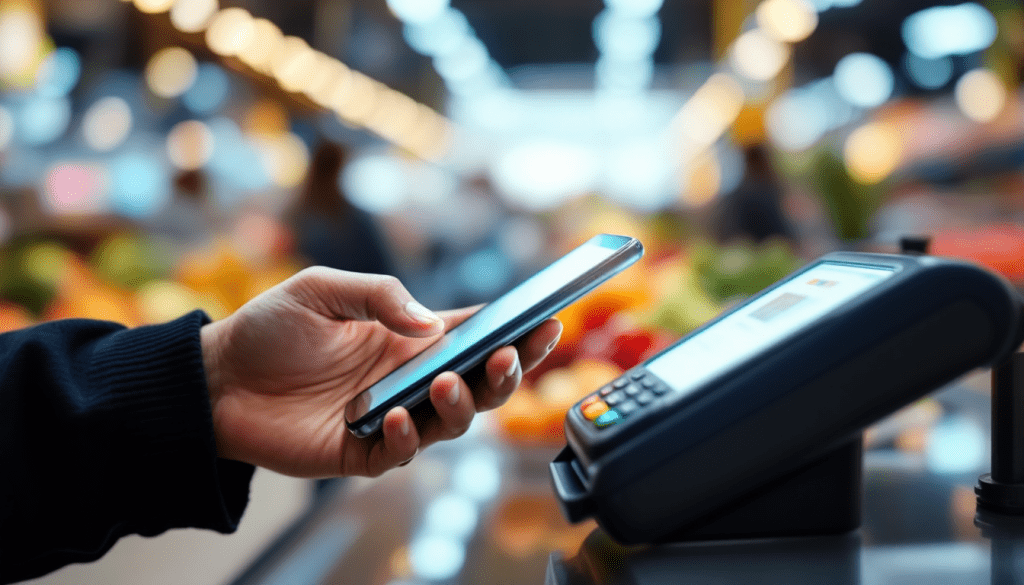
The most obvious advantage is convenience. Your payment methods are always with you as long as you have your phone. No more bulky wallets or digging through different cards. Just tap and go. This convenience extends to online shopping too—no more typing long card numbers when checking out.
Many digital wallets also store loyalty cards, event tickets, boarding passes, and even ID cards in some regions. Imagine having everything you need in one place!
Enhanced Security Features
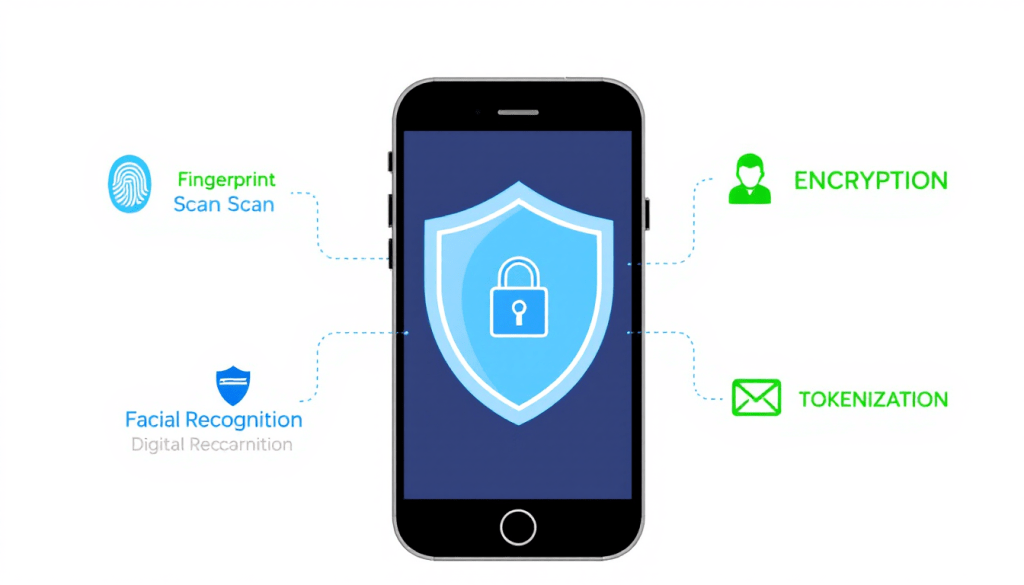
Surprisingly, digital wallets can be more secure than physical cards. When you use a digital wallet to pay, the merchant never receives your actual card number. Instead, they get a one-time code that works only for that transaction.
Most digital wallets require authentication through:
- Fingerprint scanning
- Facial recognition
- PIN codes
- Pattern locks
This multi-layered security means that even if your phone is stolen, thieves would struggle to access your payment information.
Better Financial Tracking and Management
Digital wallets make tracking your spending incredibly easy. Many apps automatically categorize your purchases and provide insights into your spending habits. You’ll know exactly how much you’ve spent on groceries, entertainment, or coffee this month.
Some digital wallets connect directly to budgeting apps, helping you stay on top of your financial goals without extra effort. Instant notifications for every transaction help you spot unusual activity immediately.
Rewards and Special Offers
Many digital wallets offer special rewards programs and cashback opportunities. Some partner with stores to provide exclusive discounts when you use their platform. These rewards can add up quickly if you use digital payments regularly.
The competition between different wallet providers means they’re constantly creating new incentives to win your business. This can translate to real savings for smart users who take advantage of these programs.
Environmental Benefits
Going digital reduces the need for plastic cards and paper receipts. While this might seem small, consider how many plastic cards are produced yearly and how many receipts end up in landfills. Digital wallets offer a more environmentally friendly alternative.
Potential Drawbacks to Consider
Security Concerns
While digital wallets have strong security features, they’re not completely risk-free. Hackers are always developing new techniques to try to access digital information. If your phone is compromised through malware, your wallet could potentially be at risk.
The security of your digital wallet is only as good as your phone’s overall security. Using weak passwords or connecting to unsecured public Wi-Fi networks could put your information at risk.
Privacy Considerations
Digital wallets create detailed records of your spending habits. While this is helpful for personal tracking, it also means companies have access to information about where you shop, what you buy, and your financial patterns.
Some people feel uncomfortable with companies having this level of insight into their daily lives. Different digital wallet providers have varying privacy policies, so it’s important to understand how your data might be used.
Technology Dependency
Digital wallets require:
- A functioning smartphone
- Battery power
- Internet connection (in many cases)
- Merchant terminals that accept digital payments
If any of these elements fail, you could be left unable to pay. Phone batteries die, networks go down, and not all stores accept digital payments yet. This dependency on technology creates potential points of failure that don’t exist with cash or physical cards.
Accessibility Barriers
Not everyone has access to the latest smartphones or is comfortable with digital technology. Digital wallets can create barriers for:
- Older adults less familiar with technology
- People with certain disabilities
- Those who can’t afford smartphones
- Individuals in areas with poor internet connectivity
This digital divide raises important questions about inclusion in our increasingly cashless society.
Learning Curve and Habit Changes
Switching to a digital wallet requires changing established habits. You’ll need to learn new systems and develop new routines. This adjustment period can be frustrating for some people, especially if you’re not naturally tech-savvy.
Setting up digital wallets also takes time initially. You need to input card information, verify accounts, and learn how different merchants handle digital payments.
Is a Digital Wallet Right for You?
Questions to Ask Yourself
To determine if a digital wallet makes sense for your lifestyle, consider these questions:
- How comfortable are you with smartphone technology?
- Do most places you shop accept digital payments?
- How important is the convenience factor to you?
- Are you concerned about the privacy of your purchase data?
- Do you often find yourself forgetting your wallet or specific cards?
- Would you benefit from better tracking of your expenses?
Your answers to these questions can help guide your decision.

Different Scenarios and Use Cases
Digital wallets shine in certain situations:
- Commuting and paying for public transportation
- Making quick purchases at convenience stores
- Splitting bills with friends
- Traveling (reducing the need to carry foreign currency)
- Online shopping from your phone
For larger purchases or in places with spotty internet connection, traditional payment methods might still be preferable.
Taking a Hybrid Approach
You don’t have to completely abandon traditional payment methods. Many people use a hybrid approach:
- Digital wallet for everyday, small purchases
- Physical cards for larger transactions or backup
- Small amount of cash for emergencies or places that don’t accept cards
This balanced approach gives you flexibility while minimizing inconvenience.
How to Get Started with a Digital Wallet
Choosing the Right Option
Start by looking at what’s available for your specific device:
- iPhone users typically begin with Apple Pay
- Android users often choose Google Pay
- Samsung device owners might prefer Samsung Pay
Beyond these, consider which payment services you already use. If you regularly use PayPal for online purchases, their digital wallet might feel most familiar.
Also consider which payment methods are commonly accepted in places you frequently shop. Ask friends about their experiences with different options.
Setup Process
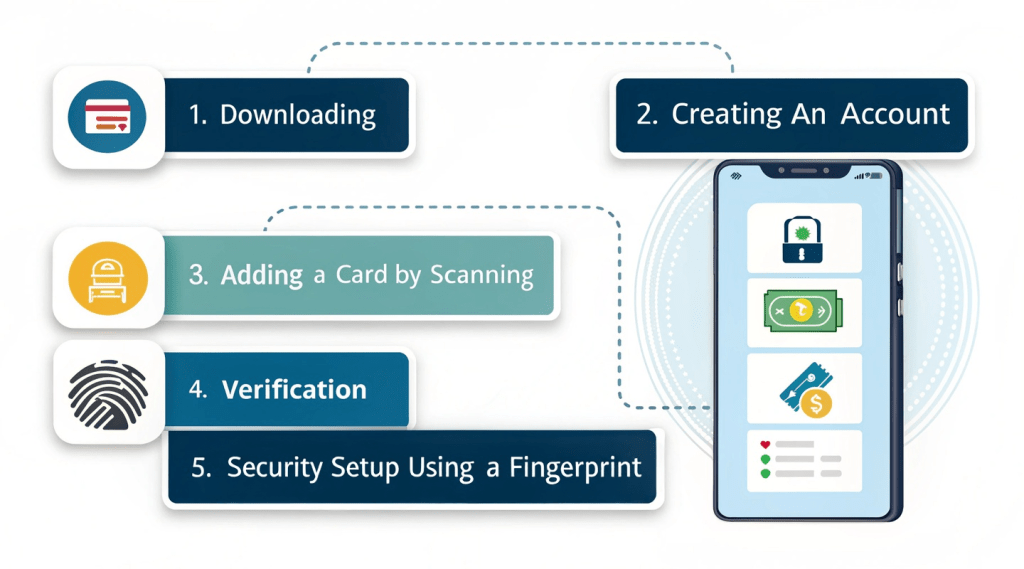
Setting up a digital wallet is straightforward:
- Download the app for your chosen wallet
- Create an account if needed
- Add your payment cards by scanning them with your phone’s camera or entering details manually
- Verify your cards (usually through a text message or email)
- Set up your preferred security method (fingerprint, face ID, or PIN)
Once set up, practice using it for small purchases until you feel comfortable with the process.
Security Best Practices
To keep your digital wallet secure:
- Use strong, unique passwords for your accounts
- Enable biometric authentication when available
- Keep your phone’s operating system updated
- Only download wallet apps from official app stores
- Enable notifications for all transactions
- Avoid using digital wallets on public, unsecured Wi-Fi
- Set up remote wiping capabilities in case your phone is lost
These simple steps greatly reduce the risk of unauthorized access to your digital wallet.
The Future of Digital Wallets
Emerging Trends
Digital wallets are evolving rapidly. Some emerging trends include:
- Integration with cryptocurrencies like Bitcoin
- Biometric payments that require no phone at all, just your fingerprint or face
- Cross-border payment capabilities with reduced fees
- Integration with banking services beyond just payments
- Digital identity verification for age-restricted purchases or government services
These innovations may address current limitations and make digital wallets even more useful.
Integration with Other Technologies
Digital wallets are increasingly connecting with:
- Smart home devices (paying bills through voice assistants)
- Wearable technology (watches, rings, etc.)
- Augmented reality shopping experiences
- Autonomous vehicles and self-checkout systems
- Health and insurance records
This broader ecosystem makes digital wallets part of a larger connected experience rather than just a payment tool.
Making Your Decision
The switch to a digital wallet doesn’t have to be all-or-nothing. You can start small by setting up one payment method and using it occasionally. Pay attention to how it fits into your routine and whether the benefits outweigh any inconveniences.
Remember that different digital wallets offer different features. If one doesn’t work well for you, another might be a better fit. Take time to explore your options before deciding which path is right for you.
Your comfort level with technology and your specific needs should guide your decision. There’s no single right answer for everyone.
The world is gradually moving toward more digital payment options, but that doesn’t mean you need to abandon traditional methods entirely. Finding your personal balance is what matters most.
Key Takeaways
- Digital wallets offer greater convenience by keeping all your payment methods in one place
- Security features like tokenization and biometric authentication often make digital wallets safer than physical cards
- Automatic expense tracking helps you better understand your spending habits
- Technology dependencies create potential points of failure if your phone dies or loses connection
- Privacy concerns exist regarding how your payment data might be used
- Not all merchants accept digital payments yet, making a hybrid approach practical
- Setup is relatively simple but requires some initial time investment
- Security best practices are essential to protect your financial information
- Future developments may address current limitations and expand capabilities
- The best approach is often starting small and gradually increasing usage as comfort grows
Whether digital wallets are right for you depends on your personal circumstances, habits, and comfort with technology. By weighing the benefits against the drawbacks, you can make an informed decision that fits your lifestyle.